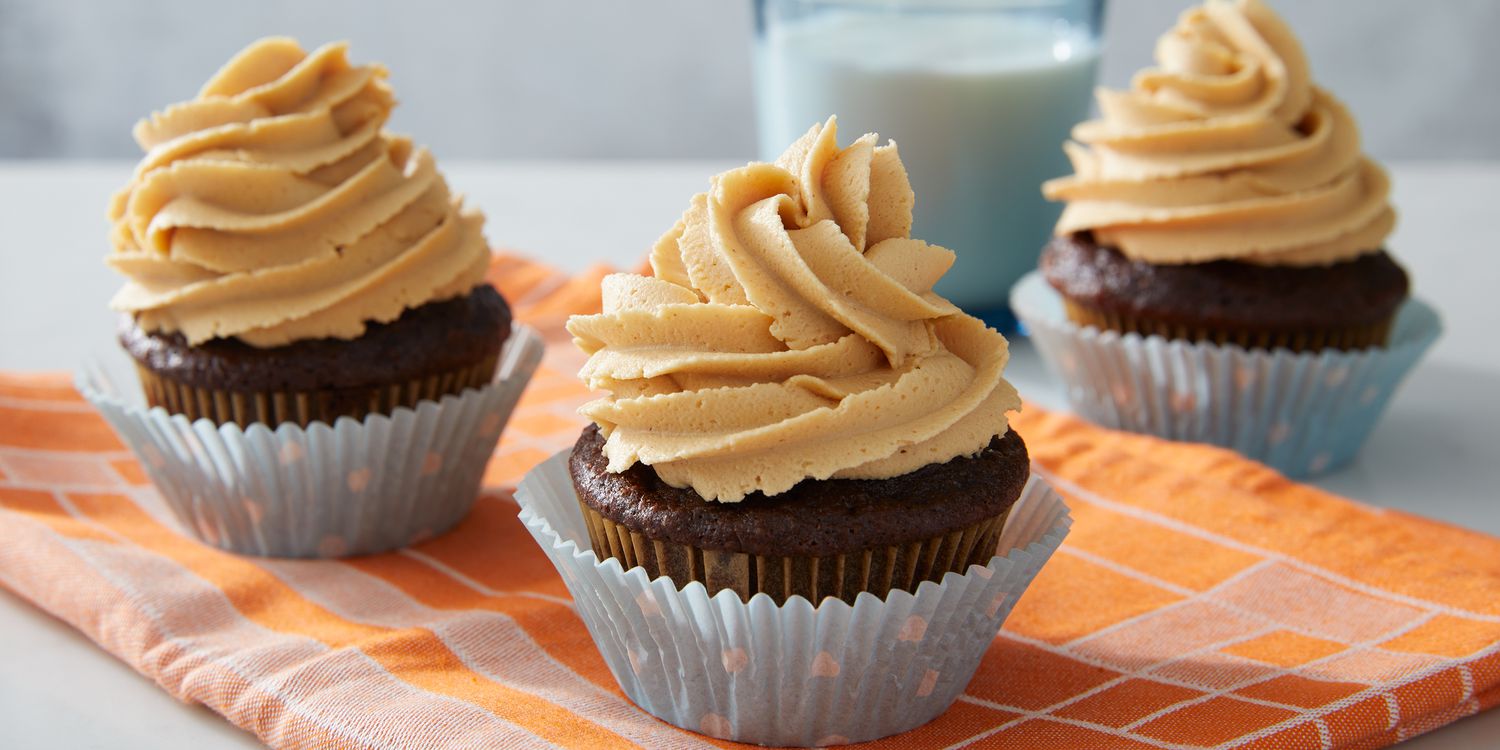
Achieve Creamy, Non-Greasy Peanut Butter Frosting Every Time
There are few things as comforting and irresistible as the rich, nutty flavor of peanut butter. When transformed into a frosting, it elevates ordinary desserts into extraordinary treats, creating a harmonious blend of sweet and savory that delights the palate. Yet, many home bakers encounter a common frustration: a peanut butter frosting that turns out too greasy, too stiff, or lacking that perfect balance of fluffiness and intense peanut flavor. The dream is a frosting that’s light, pipeable, bursting with peanut goodness, and completely non-greasy.
If you've been on a quest for the ultimate fluffy peanut butter frosting recipe that delivers on all fronts – creamy, velvety, perfectly sweet, and never greasy – then your search ends here. This comprehensive guide will walk you through the nuances of creating a show-stopping peanut butter frosting that’s ideal for crowning everything from decadent chocolate cakes and moist cupcakes to chewy brownies and even just eating by the spoonful. Say goodbye to lackluster frosting and hello to a masterpiece every time!
The Anatomy of Perfect Peanut Butter Frosting
What truly defines a perfect peanut butter frosting? It's more than just a sweet spread; it's a sensory experience. The ideal frosting strikes a delicate balance: it's sweet but not cloying, rich but never greasy, and offers a robust peanut butter flavor without overwhelming the dessert it accompanies. Often referred to as an American-style buttercream, this type of frosting forms its luxurious base from butter and confectioners' sugar, whipped together with milk and, of course, the star ingredient – peanut butter.
The key characteristics we're aiming for include:
- Light & Fluffy Texture: Achieved through proper aeration of the butter and sugar.
- Smooth & Creamy Consistency: Essential for easy spreading and elegant piping.
- Non-Greasy Mouthfeel: A common pitfall avoided by selecting the right ingredients and mastering technique.
- Balanced Flavor Profile: A prominent peanut butter taste, complemented by sweetness and a hint of salt.
Understanding these elements is the first step towards mastering this incredible peanut butter frosting recipe.
Unveiling the Essential Ingredients for Your Peanut Butter Frosting Recipe
While seemingly simple, the quality and preparation of each ingredient play a pivotal role in the final texture and taste of your peanut butter frosting. You'll need just a handful of readily available items to craft this indulgent topping.
Peanut Butter: The Star of the Show
Naturally, peanut butter is non-negotiable! For the creamiest, silkiest frosting texture, opt for a creamy variety over chunky. While chunky can add a delightful textural element if that's what you desire, creamy ensures a smooth, pipeable consistency perfect for intricate designs. A crucial tip for achieving a non-greasy result is to choose a brand that contains hydrogenated oils (like Jif or Skippy). While "natural" peanut butter with oil separation might seem healthier, its high oil content and tendency to separate can lead to a greasier, less stable frosting. If using natural, ensure it's very well stirred and perhaps drain off a tiny bit of excess oil before measuring. The peanut butter should also be at room temperature for optimal blending.
Butter: The Foundation of Richness
The base of any classic buttercream, butter provides richness, flavor, and structure. We highly recommend using unsalted butter. This gives you complete control over the saltiness, allowing you to fine-tune the flavor profile. The absolute most critical aspect here is ensuring your butter is well-softened. This doesn't mean melted or greasy, but pliable enough to easily indent with your finger. Cold butter will result in a lumpy, grainy frosting, while melted butter can lead to a greasy, unstable mess. Plan to leave your butter out at room temperature for at least 45 minutes to an hour before you begin.
Confectioners' Sugar: Sweetness and Structure
Also known as powdered sugar, confectioners' sugar is indispensable for frosting. Its incredibly fine texture allows it to dissolve seamlessly into the butter and peanut butter, creating a smooth consistency free of graininess. Beyond sweetness, it also contributes significant structure, helping the frosting hold its shape. For an extra insurance against lumps and an even fluffier texture, consider sifting your confectioners' sugar before adding it to the mix.
Milk: The Texture Whisperer
A small amount of milk (any type, from 2% to whole or even a dairy-free alternative) is essential for achieving the perfect ribbony, spreadable consistency. It helps to loosen the thick butter and sugar mixture, ensuring a velvety smooth finish. Remember to add it gradually, as the exact amount can vary slightly depending on your climate and the specific ingredients you use.
Vanilla Extract: The Flavor Enhancer
While optional, a splash of vanilla extract can dramatically enhance the overall flavor of your peanut butter frosting. It adds a warm, aromatic depth that beautifully complements the nuttiness of the peanut butter and the sweetness of the sugar. High-quality vanilla extract or even homemade vanilla can make a noticeable difference.
A Pinch of Salt: The Secret Weapon
This is often overlooked but incredibly important for a truly balanced frosting. A tiny pinch of fine sea salt, especially if using unsalted butter, works wonders to cut through the sweetness and amplify the roasted notes of the peanut butter. It brings out that irresistible sweet-and-salty dynamic we all love, making your frosting sing. To delve deeper into this delightful contrast, check out our guide on Sweet & Salty Peanut Butter Frosting for Perfect Desserts.
Mastering the Method: Your Step-by-Step Peanut Butter Frosting Recipe
With your ingredients prepped and ready, the actual process of making this delightful frosting is surprisingly quick – often achievable in under 10 minutes once your butter is softened. For maximum efficiency and the best results, a stand mixer with a paddle attachment or a good quality electric hand mixer is highly recommended.
Step 1: Cream the Creamy Foundations
In a large mixing bowl (or the bowl of your stand mixer), combine the well-softened butter, creamy peanut butter, and the majority of your sifted confectioners' sugar (you'll reserve some for adjusting consistency). Begin beating on low speed until the sugar is incorporated, then increase to medium-high. This is the crucial step for achieving a light, non-greasy texture. You want to beat this mixture thoroughly for at least three to four minutes, or until it becomes noticeably light, fluffy, and almost pale in color. This process incorporates air, making the frosting airy rather than dense and oily. Don't rush this step! Scrape down the sides of the bowl frequently to ensure everything is evenly combined.
Step 2: Add the Liquids and Flavor
Once your butter, peanut butter, and sugar mixture is wonderfully light and aerated, it’s time to incorporate the liquids. Gradually add the milk, starting with about half the recommended amount. Follow with the vanilla extract and your pinch of salt. Beat on medium speed, adding the remaining milk a teaspoon at a time, until the frosting reaches your desired smooth, creamy, and spreadable consistency. Be mindful not to add too much milk too quickly, as it can thin the frosting excessively. Continue beating until everything is beautifully combined and the frosting is uniform. The entire process from softened butter to finished frosting is remarkably fast, proving you can Whip Up Fluffy Peanut Butter Frosting in Just 10 Minutes.
Troubleshooting Common Peanut Butter Frosting Issues
Even with the best instructions, sometimes things don't go exactly as planned. Here’s how to fix common frosting dilemmas:
- Too Greasy: This usually happens if the butter was too warm, or not enough confectioners' sugar was incorporated. To fix it, try adding another ¼ to ½ cup of sifted confectioners' sugar and beat for another minute or two. If it's still greasy, chill the entire bowl in the refrigerator for 10-15 minutes, then re-whip.
- Too Thick: Your frosting is too dense and hard to spread. Simply add more milk, one teaspoon at a time, beating after each addition until you reach the perfect consistency.
- Too Thin: If your frosting is runny, you've likely added too much liquid. Incorporate another ¼ cup of sifted confectioners' sugar and beat until it thickens up. Repeat if necessary.
- Lumpy: Un-sifted sugar or cold butter are usually the culprits. If you didn't sift, add more sifted sugar and beat longer. If it's a butter issue, ensure your ingredients are at room temperature next time.
Creative Ways to Enjoy Your Perfect Peanut Butter Frosting
Now that you’ve mastered this incredible peanut butter frosting recipe, the possibilities are endless! Its rich, sweet-and-salty flavor profile makes it incredibly versatile:
- Classic Pairings: The ultimate topping for chocolate fudge cake, moist chocolate cupcakes, or a rich pan of brownies. The combination of chocolate and peanut butter is iconic for a reason!
- Peanut Butter Delights: Use it to frost peanut butter cake or cupcakes, doubling down on the nutty goodness.
- Cookie Sandwiches: Spread it between two chocolate chip, oatmeal, or even graham cracker cookies for a decadent treat.
- Whoopie Pie Filling: Elevate homemade chocolate whoopie pies with a generous dollop of this creamy filling.
- Fruit Dip: For a lighter snack, serve it alongside apple slices, banana slices, or even pretzels for a sweet and salty crunch.
- By the Spoonful: We won't tell if you enjoy a spoonful (or two!) straight from the bowl. It's that good.
When storing leftover frosting, keep it in an airtight container in the refrigerator for up to a week. Before using, allow it to come to room temperature, then give it a quick whip with an electric mixer to restore its fluffy texture.
Conclusion
Achieving a truly creamy, non-greasy, and perfectly balanced peanut butter frosting is not just possible, but surprisingly straightforward with the right techniques and ingredients. By focusing on well-softened butter, the correct type of peanut butter, gradual liquid addition, and thorough aeration, you can bypass common pitfalls and create a frosting that is consistently light, luscious, and bursting with delightful peanut flavor. This comprehensive peanut butter frosting recipe is more than just instructions; it’s your definitive guide to unlocking a world of delicious possibilities. So go ahead, whip up a batch, and transform your desserts into unforgettable culinary experiences.
